How Does a Hair Clipper Work?
Article Summary
This article explains how a hair clipper works, its internal structure, usage techniques, maintenance methods, and buying considerations. It is designed to help users avoid common grooming mistakes, extend clipper lifespan, and achieve professional-level haircut results at home or in barbershops.
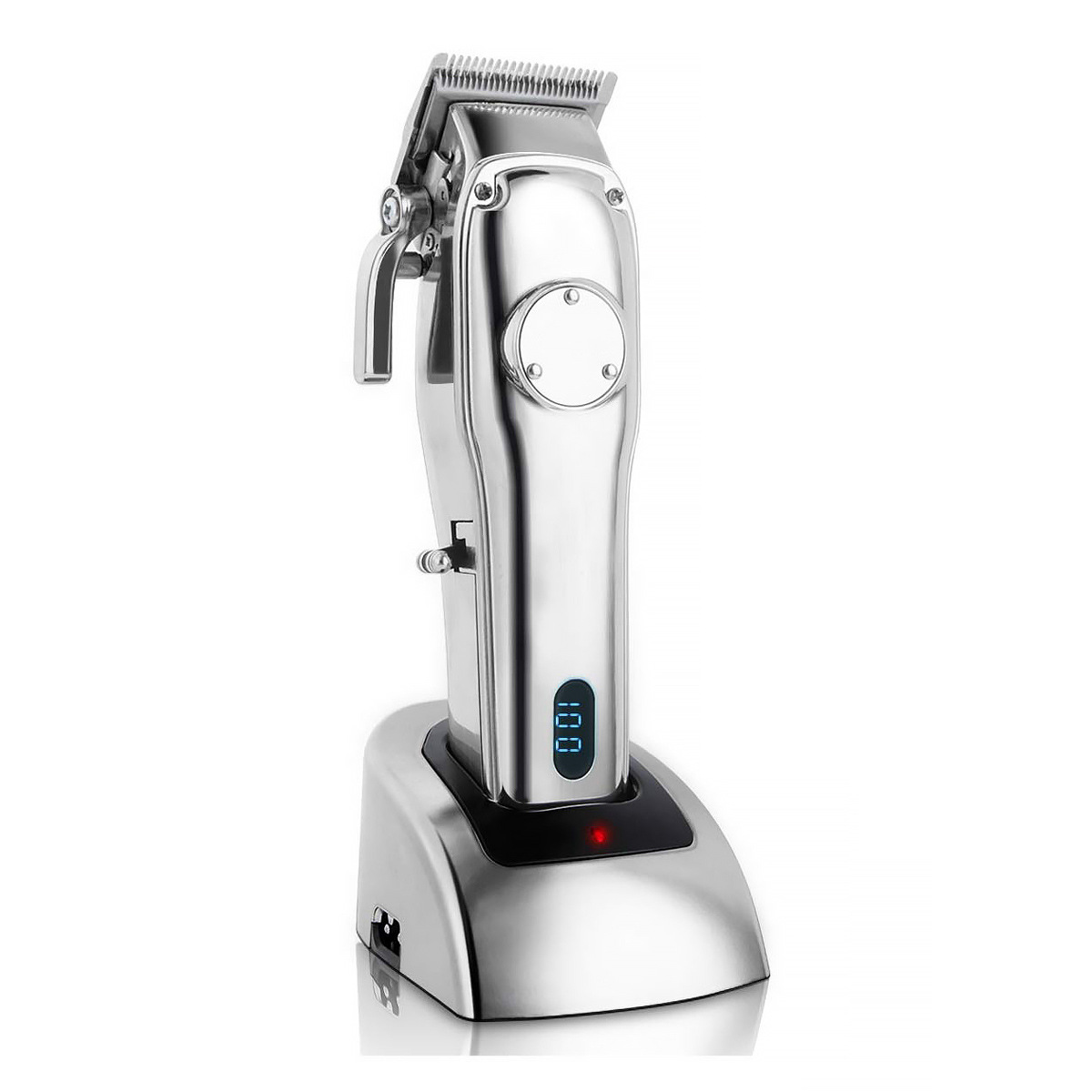
Table of Contents
- 1. Overview of Hair Clippers
- 2. How a Hair Clipper Works Internally
- 3. Types of Hair Clippers
- 4. Proper Usage Techniques
- 5. Common User Mistakes
- 6. Maintenance and Cleaning
- 7. How to Choose the Right Hair Clipper
- 8. Hair Clipper Comparison Table
- 9. FAQ
- 10. Conclusion & Contact
1. Overview of Hair Clippers
A hair clipper is an electromechanical grooming device designed to cut hair efficiently and uniformly. Unlike scissors, which rely on manual cutting precision, clippers use oscillating or rotary blades powered by a motor to trim hair at consistent lengths. They are widely used in barbershops, salons, and home grooming environments.
Modern hair clippers are engineered for durability, ergonomic handling, and adjustable cutting lengths. Whether you are maintaining a fade, trimming a beard, or doing a full haircut, understanding how the device functions can significantly improve results.
2. How a Hair Clipper Works Internally
At its core, a hair clipper operates through a simple yet efficient mechanical system. It consists of a motor, a drive mechanism, and two blade sets: a stationary blade and a moving blade.
When the device is turned on, the motor generates rotational or electromagnetic energy. This energy is converted into rapid oscillating motion that drives the moving blade back and forth across the fixed blade. Hair enters the cutting gap between these blades and is sheared off with precision.
The cutting efficiency depends on blade sharpness, motor speed (RPM), and alignment accuracy. Professional-grade clippers typically offer higher torque motors to prevent snagging on thick or curly hair.
3. Types of Hair Clippers
Hair clippers come in several configurations depending on usage requirements:
- Corded Clippers: Provide continuous power and are ideal for professional barbers.
- Cordless Clippers: Battery-powered and portable, suitable for home use and travel.
- Magnetic Motor Clippers: High-speed oscillation for sharp, precise cuts.
- Rotary Motor Clippers: Balanced power and durability, effective for all hair types.
- Pivot Motor Clippers: High torque, excellent for thick or wet hair.
4. Proper Usage Techniques
Using a hair clipper correctly ensures clean results and reduces the risk of uneven cuts or skin irritation. Below are essential techniques:
- Always start with clean, dry hair unless the clipper is designed for wet use.
- Select the correct guard size based on desired length.
- Move the clipper against the direction of hair growth for a smoother cut.
- Use overlapping strokes to avoid patchiness.
- For fades, gradually reduce guard length in stages.
Professional barbers often recommend practicing on longer guard settings first before attempting detailed styles such as fades or tapers.
5. Common User Mistakes
Many users fail to achieve professional results due to avoidable mistakes. These include:
- Using dull or unclean blades
- Applying excessive pressure on the scalp
- Skipping sectioning of hair
- Ignoring guard attachment stability
- Neglecting regular maintenance
Avoiding these issues significantly improves haircut consistency and device lifespan.
6. Maintenance and Cleaning
Proper maintenance is essential for ensuring long-term performance. Hair clippers should be cleaned after every use to prevent hair buildup and overheating.
Maintenance Checklist:
- Brush away loose hair from blades
- Apply clipper oil regularly to reduce friction
- Disinfect blades to maintain hygiene
- Check alignment screws periodically
- Charge battery properly for cordless models
Neglecting maintenance can lead to blade corrosion, reduced cutting efficiency, and motor strain.
7. How to Choose the Right Hair Clipper
Selecting the right hair clipper depends on usage frequency, hair type, and budget. Below are key factors to consider:
- Motor Power: Higher RPM for thicker hair types.
- Blade Material: Stainless steel or ceramic blades for durability.
- Battery Life: Important for cordless convenience.
- Ergonomics: Lightweight design reduces hand fatigue.
- Adjustable Guards: Essential for versatile styling.
For industrial-grade or professional salon use, manufacturers such as NINGBO BOERSHENG ELECTRIC APPLIANCE CO.,LTD. provide advanced grooming solutions engineered for reliability and precision.
8. Hair Clipper Comparison Table
| Type | Power Source | Best For | Durability |
|---|---|---|---|
| Corded | Electric | Professional barbers | Very High |
| Cordless | Battery | Home use / travel | Medium |
| Magnetic Motor | Electric | Precision cutting | High |
| Rotary Motor | Electric/Battery | All hair types | High |
9. FAQ
Q1: How often should I oil my hair clipper?
It is recommended to oil blades after every 2–3 uses for optimal performance.
Q2: Can hair clippers be used on wet hair?
Only if the clipper is specifically designed for wet and dry use.
Q3: Why does my clipper pull hair?
This usually happens due to dull blades or insufficient lubrication.
Q4: How long does a professional clipper last?
With proper maintenance, a high-quality clipper can last several years.
10. Conclusion & Contact
Understanding how a hair clipper works helps users maximize performance, achieve better grooming results, and extend device lifespan. From motor mechanics to blade maintenance, every detail contributes to overall efficiency and cutting precision.
Whether you are a professional barber or an individual user, investing in a reliable hair clipper is essential for consistent results. NINGBO BOERSHENG ELECTRIC APPLIANCE CO.,LTD. specializes in producing high-quality grooming tools designed to meet both professional and personal needs.
If you are looking for durable, high-performance hair clippers or customized solutions, please feel free to contact us for more product information, technical support, and cooperation opportunities.